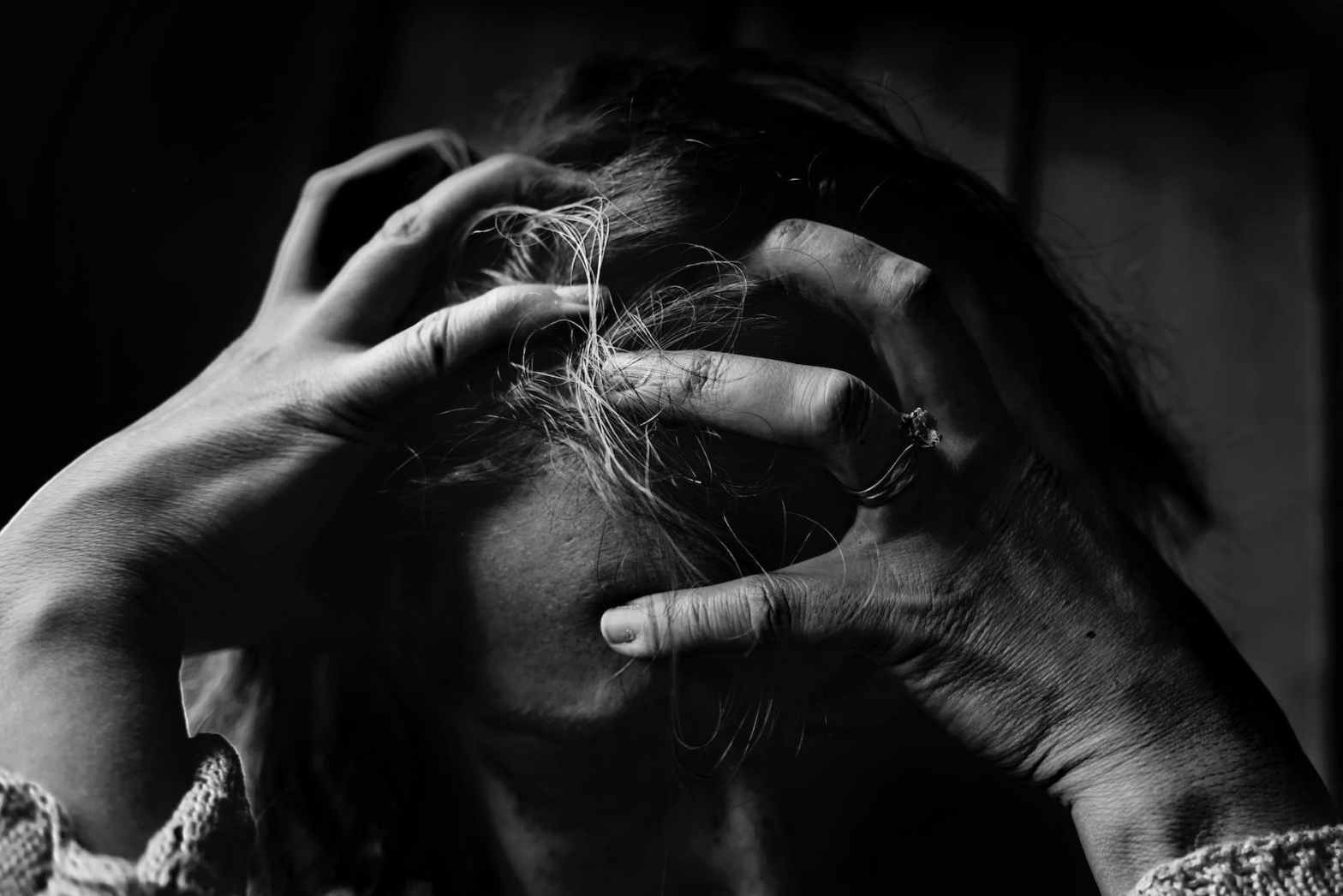
Synopsis: In nineteenth-century Vienna, a drama of love, fate, and will is played out amid the intellectual ferment that defined the year. Josef Breuer, one of the founding fathers of psychoanalysis, is at the height of his career. Friedrich Nietzsche, Europe’s greatest philosopher, is on the brink of suicidal despair, unable to find a cure for the headaches and other aliments that plague him. When he agree to treat Nietzsche with his experimental ‘talking cure,’ Breuer never expects that he too will find space in their sessions. Only through facing his own inner demons can the gifted healer begin to help his patient – Irvin D. Yalom
Yalom through use of Nietzsche’s philosophy has constructed a masterful novel that should be on the list of required reads of life. But there is one quote that has captivated my attention since completing the novel and will be the focus of this post. Yalom writes, “every person must choose how much truth he can stand.” While succinct, this quote not only gets at the very heart of Nietzsche’s philosophy but demands that the reader pause and reflect on the profundity of the statement.
When directly faced with the unhappiness of our lives, most of us turn to scapegoats. This can be in the form of children, spouses, jobs, or circumstance. But ultimately most excuses boil down to either one of two categories, obligations or duty. We have obligations both of our own doing and hoisted upon us. One such example are obligations forced upon us by the state (e.g. taxes). Or obligations that arise from our own inability to say no (e.g. attending an event one does not wish to attend). Separate but related is duty. This is often an intrinsic value that we enable to direct our actions. The most obvious example is ‘serving one’s country.’ But duty is not limited to such. Another example is experienced by Breuer himself, namely, a duty to provide for one’s family. But the fundamental question that Nietzsche would ask is – are these obligations and duties causing a lifeless life. Otherwise stated, are the obligations and duties in your life preventing you from living? Do we not have a duty and obligation to oneself before all others?
One would not be hard pressed to find examples of ways that they would have acted otherwise if it was not for obligations and duties. One example might be a parent who would have stayed out later if they did not have to be home to put the children to bed. Another may be that one would have chosen a different career if it did not mean uprooting their family. Such sentiment is not new. It is perfectly captured by the Reba McEntire song Is There Life Out There. Often times we are loyal to this abstract sense of ‘duty’ and ‘obligation’ without questioning whether or not it serves us or whether we derive any sense of happiness from fulfilling such. But without it – we are lost. We have no sense of what would bring us actual happiness or what actions we would take in their absence. This is a fundamental problem of human existence. How do we live our life?
While I cannot give one the answer – I can say that I strive to live my life according to the maxim that I will never have a second chance. I will not have a second chance to tell my loved ones that I love them nor add my commentary to a discussion I find critical. I decline invitations that I cannot reasonably gauge will bring happiness to my day and say yes to invitations to events likely to leave me smiling before I rest for the night. But contrary to Nietzsche – I do believe in a Christian afterlife. But I do not hold that means I must succumb to suffering in this life. Suffering in an inescapable part of human existence but unlike Nietzsche holds – that does not mean one must celebrate suffering. Rather, more akin to Nietzsche stance, I endorse the view that in light of the inescapable suffering we must continue to live and do so as is the last chance.
–Sincerely,
Michael A. Westbrook
 Ivory Tower