
Synopsis: In nineteenth-century Vienna, a drama of love, fate, and will is played out amid the intellectual ferment that defined the year. Josef Breuer, one of the founding fathers of psychoanalysis, is at the height of his career. Friedrich Nietzsche, Europe’s greatest philosopher, is on the brink of suicidal despair, unable to find a cureContinue reading “When Nietzsche Wept – Review”
Category Archives: philosophy
Plato’s Symposium – Definitions of Love
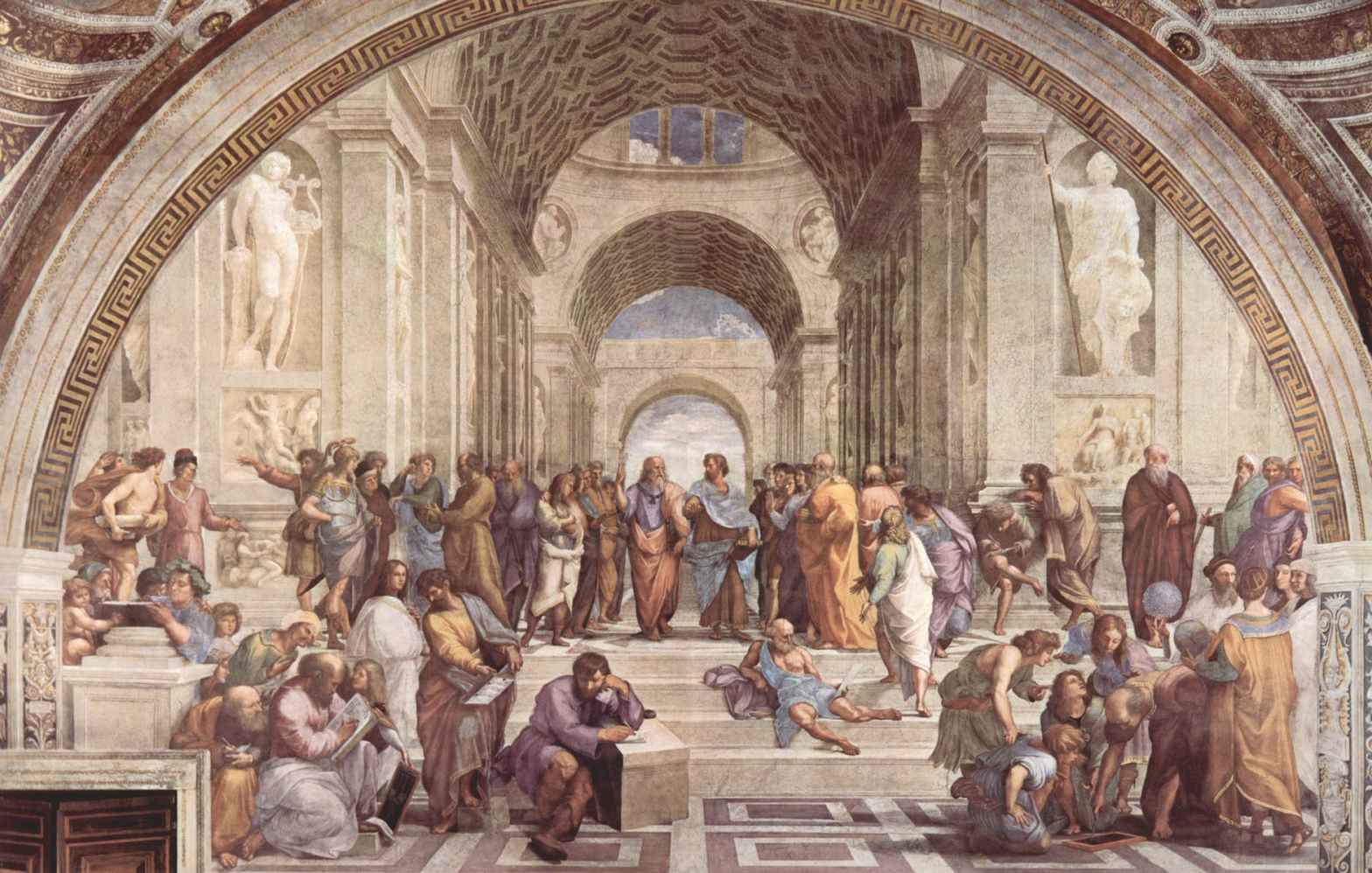
Background: In Plato’s dialogue, the Symposium, we observe key figures of Athens enjoying a meal and drink over conversation. Agathon then proposes that in honor of the god Love, each person shall give a speech in praise of Love. Plato’s dialogue explores each speech the members give ending with Socrates. Phaedrus: Love is one ofContinue reading “Plato’s Symposium – Definitions of Love”
The Indifference of Constitutional Interpretational Belonging: The Example of the Libertarian & Ninth Amendment

The topic of whether a libertarian’s reading of the ninth amendment comports with one “recognized” constitutional interpretation or another has been the constant subject of debate between libertarian jurisprudence, originalism, and living constitutionalism. However, what each advocate fails to realize is, it simply does not matter. Libertarians are hesitant to proclaim their interpretation of theContinue reading “The Indifference of Constitutional Interpretational Belonging: The Example of the Libertarian & Ninth Amendment”
Libertarianism as a Consequence of the Hobbesian State of Nature

I. Introduction In an attempt to understand the connection or lack thereof between the state of nature and political ideology, I will examine the specific relationship between Thomas Hobbes’s state of nature and the ideology of libertarianism. The analyzation of the relationship is due to the high degree of prima facie difference. Hobbes, as elaborated later, advocates forContinue reading “Libertarianism as a Consequence of the Hobbesian State of Nature”
The Reasons of Love – (How Should We Live) Pt. I

In Harry Frankfurt’s work, The Reasons of Love, he sets forth an argument into three parts. This series will cover the whole book in six parts as to ensure the quality of the argument’s restatement.
 Ivory Tower